
15 First-Time Homebuyer Mistakes to Avoid in Wisconsin

EDUCATE 2 OWN | FIRST-TIME HOMEBUYER SERIES
Buying Your First Home? Avoid These Common Mistakes!
Buying your first home is an exciting milestone. It's also one of the biggest financial commitments many people will make.
Between mortgage approvals, house hunting, inspections, negotiations, and closing costs, there are plenty of opportunities to make decisions you may later regret.
But here's the good news: Many common homebuying mistakes can be avoided with the right preparation, education, and professional guidance.
Whether you're purchasing your first home in Milwaukee, Wauwatosa, West Allis, Racine, Madison, or another Wisconsin community, understanding these potential mistakes can help you protect your finances and make confident decisions.
Let's explore 15 common first-time homebuyer mistakes and what you can do differently.
Mistake #1: Shopping for Homes Before Understanding Your Finances
It's easy to start browsing beautiful homes online before understanding what you can realistically afford.
However, the price of a home is only part of the financial picture.
Before shopping, take time to review:
- Your monthly income
- Existing debts
- Credit history
- Available savings
- Emergency funds
- Estimated housing expenses
Consider speaking with a mortgage lender about your financing options.
A preapproval may help you understand your potential buying power, but it doesn't mean you have to purchase immediately.
Understand your financial picture before falling in love with a property. Your home search should begin with a realistic budget, not just an attractive listing price.
Mistake #2: Assuming You Need 20% Down
One of the biggest misconceptions about buying a home is that you must save 20% of the purchase price before qualifying for a mortgage.
That's not necessarily true!
Depending on eligibility, financing options may include:
- Conventional mortgage programs allowing as little as 3% down
- FHA financing with down payments as low as 3.5%
- VA financing with no down payment required for qualifying borrowers
- USDA financing offering no-down-payment options for eligible buyers and properties
Wisconsin buyers may also qualify for certain down payment assistance programs.
However, smaller down payments may result in higher monthly payments, mortgage insurance, or other costs.
Compare your options before deciding how much money to put down.
Explore Wisconsin Homebuyer Programs →
Mistake #3: Spending Your Maximum Preapproval Amount
Just because a lender approves you for a certain purchase amount doesn't mean you should spend that much.
For example, imagine you're approved to purchase a $275,000 home.
That doesn't automatically mean a $275,000 purchase is the best financial decision for your household.
Your monthly housing costs may include:
- Mortgage principal
- Mortgage interest
- Property taxes
- Homeowners insurance
- Mortgage insurance, when applicable
- Association fees, if applicable
You'll also need money for utilities, maintenance, repairs, savings, and everyday living expenses.
Ask your lender to estimate monthly payments at different purchase prices.
The goal is to find a home you can comfortably afford, not simply the most expensive home you're approved to purchase.
Mistake #4: Not Comparing Mortgage Lenders
Mortgage lenders may offer different interest rates, fees, programs, and financing options.
Choosing the first lender you speak with could mean overlooking another option that better fits your financial goals.
Consider comparing multiple lenders.
Ask about:
- Interest rates
- Annual percentage rates (APR)
- Loan origination charges
- Mortgage insurance
- Down payment requirements
- Available assistance programs
- Estimated cash to close
When you're ready to compare formal mortgage offers, request Loan Estimates for similar loan scenarios.
A Loan Estimate allows you to compare important financing terms and estimated expenses.
Learn How to Compare Mortgage Offers →
Mistake #5: Forgetting About Closing Costs
Saving for a down payment is important, but buyers should also prepare for closing costs.
Closing costs may include:
- Lender fees
- Appraisal charges
- Title services
- Recording fees
- Prepaid homeowners insurance
- Mortgage interest
- Property tax and insurance escrow deposits
Closing costs often range from approximately 2% to 5% of the purchase price, excluding the down payment.
Actual costs depend on your financing, location, and transaction.
Example: Buying a $200,000 Home
Purchase Price: $200,000
Illustrative 3% Down Payment: $6,000
Illustrative 3% Closing Costs: $6,000
Estimated Total Before Credits: $12,000
Seller credits, earnest money, assistance programs, and other adjustments may change the amount you need at closing.
Ask your lender for an estimate early in the process.
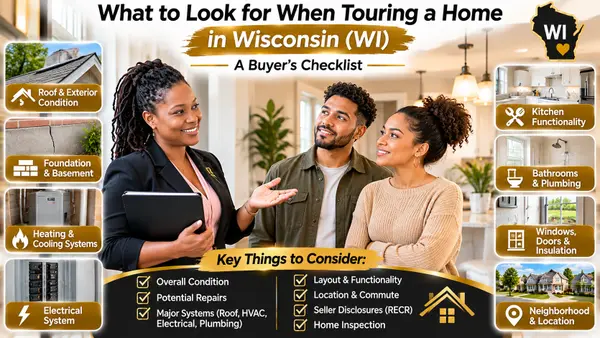
Mistake #6: Choosing a Home Based Only on Appearance
Fresh paint, beautiful countertops, updated flooring, and attractive furniture can make a home feel perfect.
But cosmetic improvements don't always tell the full story.
Look beyond the decorations.
Pay attention to:
- Roof condition
- Foundation concerns
- Basement moisture
- Plumbing systems
- Electrical components
- Heating and cooling equipment
- Windows and doors
- Potential maintenance expenses
A beautifully renovated home may still have expensive problems.
Likewise, a home with outdated finishes may have well-maintained major systems.
Understanding the property's condition is more important than being impressed by its appearance.
Mistake #7: Skipping the Home Inspection
Some buyers consider waiving a home inspection contingency to make their offer more attractive.
While that decision may be legally possible in some transactions, it carries risks.
Without an applicable inspection contingency, you may have fewer contractual options if significant problems are discovered after your offer is accepted.
A home inspection may identify concerns involving:
- Roof deterioration
- Structural components
- Plumbing leaks
- Electrical hazards
- Heating equipment
- Water intrusion
- Other accessible property systems
In Wisconsin, inspection rights and deadlines depend on the accepted purchase contract.
Remember that certain specialized testing may require separate authorization.
Before waiving an inspection contingency, understand what protections you may be giving up.
A home inspection is an opportunity to understand what you're buying. A successful purchase isn't just about getting an accepted offer. It's about making an informed investment.
Mistake #8: Ignoring Wisconsin Property Taxes
Wisconsin property taxes can have a significant impact on your monthly housing expenses.
Two homes with similar purchase prices may have different property tax obligations.
For example, a $200,000 home in one municipality may have different annual property taxes than a similarly priced home in another community.
Property taxes can also change over time.
Before purchasing, review:
- Available property tax records
- Current assessed values
- Potential changes following reassessment
- Special assessments
- How property taxes affect your estimated monthly payment
Ask your lender and REALTOR® about how taxes are estimated and prorated at closing.
Don't assume the seller's previous tax bill guarantees what you'll pay in future years.
Mistake #9: Not Understanding Your Purchase Contract
In Wisconsin, many residential purchases use the WB-11 Residential Offer to Purchase.
This is an important legal document that establishes the terms of your proposed purchase.
It may address:
- Purchase price
- Earnest money
- Financing contingencies
- Inspection contingencies
- Appraisal provisions
- Closing deadlines
- Property condition
- Possession arrangements
Once properly accepted, the offer can become a binding contract.
Before signing, ask your REALTOR® to explain anything you don't understand.
Pay special attention to contractual deadlines.
Missing a deadline or failing to follow notice requirements may affect your rights.
Never assume you can simply cancel an accepted offer because you've changed your mind.
Mistake #10: Making Large Purchases Before Closing
You've found your home and received mortgage preapproval.
Now you're excited to buy furniture, appliances, or maybe even a new vehicle.
But major financial changes before closing can create problems.
Examples include:
- Financing a vehicle
- Opening new credit cards
- Increasing existing credit card balances
- Taking out personal loans
- Changing employment or income arrangements
- Making large undocumented financial transfers
Your lender may review your finances again before final loan approval.
New debts or significant changes can affect your eligibility.
That doesn't mean every financial change will cause a denial.
However, it's wise to discuss major decisions with your mortgage lender before making them.
Mistake #11: Overlooking the Neighborhood and Lifestyle Fit
A house may have everything on your wish list but still not be the best fit for your everyday needs.
Before making an offer, consider:
- Commute and transportation
- Parking
- Nearby services
- Traffic patterns
- Noise levels
- Local property taxes
- Outdoor maintenance
- Access to amenities that matter to you
Visit the area at different times when possible.
Research objective information about the community and nearby services.
Ask your REALTOR® for reliable resources that help you evaluate properties based on your individual preferences.
Remember: The right neighborhood is the one that fits your needs, priorities, and budget.
Mistake #12: Not Reviewing Condo or Association Rules
Thinking about purchasing a condominium?
Condos can be an appealing option for buyers interested in certain amenities or different maintenance responsibilities.
However, association rules and expenses deserve careful attention.
Before purchasing, review available information about:
- Monthly association fees
- Special assessments
- Maintenance responsibilities
- Parking and storage arrangements
- Rental restrictions
- Pet rules
- Association financial information
- Insurance responsibilities
A condo with an affordable purchase price may still involve substantial monthly association costs.
Special assessments can also create unexpected expenses.
Make sure you understand the association's rules and financial obligations before committing to a purchase.
Mistake #13: Using All Your Savings to Purchase
Buying a home is exciting, but emptying your savings account to get the keys may create financial stress after closing.
As a homeowner, you may need to pay for:
- Unexpected plumbing repairs
- Heating system maintenance
- Roof repairs
- Appliance replacement
- Property taxes
- Insurance deductibles
- Routine maintenance
- Emergency expenses
Consider maintaining an emergency fund after closing.
The appropriate amount depends on your financial circumstances, income stability, and property condition.
Owning a home should help support your financial goals, not leave you unable to manage everyday emergencies.
Mistake #14: Letting Emotions Control Your Offer
Finding a home you love can be emotional.
You might imagine decorating, hosting gatherings, or making memories in the property.
Those feelings are natural.
However, emotions shouldn't replace financial planning.
Before making an offer, consider:
- Comparable property sales
- Property condition
- Your comfortable budget
- Potential repair expenses
- Financing requirements
- Contractual protections
A competitive housing market can create pressure to move quickly.
But remember, an accepted offer isn't automatically a successful financial decision.
Don't exceed your financial comfort level simply because you're afraid of losing a property.
It's okay to love a house. Just make sure you love the numbers, responsibilities, and long-term financial commitment too.
Mistake #15: Choosing an Agent Who Pressures You
Your real estate professional should provide more than access to homes.
A knowledgeable REALTOR® can help you understand the market, evaluate properties, review offer terms, coordinate important steps, and navigate negotiations.
However, the relationship should also be built on communication, transparency, and respect.
Be cautious if an agent:
- Discourages questions
- Pressures you to make offers
- Dismisses concerns about property condition
- Refuses to explain compensation
- Rushes you through important documents
- Makes unrealistic promises
- Doesn't respect your financial boundaries
You deserve to understand the decisions you're making.
If you're not comfortable with a property, the financing, or the process, speak up.
Your homebuying journey should be based on your goals, not someone else's sales deadline.
Bonus: Forgetting That Homeownership Comes With Responsibilities
Getting your keys is an exciting milestone, but it also marks the beginning of ongoing responsibilities.
After closing, you may be responsible for:
- Making mortgage payments
- Maintaining homeowners insurance
- Paying property taxes
- Maintaining heating and cooling equipment
- Handling plumbing and electrical repairs
- Maintaining the yard and exterior
- Managing unexpected expenses
Buying a home and successfully maintaining one require different types of planning.
Before purchasing, think about whether you're financially and personally prepared for both.
Your First-Time Homebuyer Mistake Prevention Checklist
Before You Buy
- Understand your income, debts, and savings.
- Establish a comfortable housing budget.
- Explore mortgage options and assistance programs.
- Compare mortgage lenders.
- Learn about closing costs.
While Shopping
- Evaluate properties beyond their appearance.
- Research locations using objective information.
- Review available seller disclosures.
- Understand potential maintenance expenses.
- Ask questions about anything you don't understand.
Before Making an Offer
- Review comparable sales.
- Understand earnest money requirements.
- Discuss inspection and financing contingencies.
- Review contractual deadlines.
- Make sure the purchase fits your budget.
Before Closing
- Respond to lender requests.
- Avoid unnecessary new debt.
- Review your Closing Disclosure.
- Confirm final closing funds.
- Understand when you'll receive possession.
Frequently Asked Questions
What is the biggest mistake first-time homebuyers make?
There isn't one mistake that applies to everyone. However, misunderstanding affordability, overlooking closing costs, and failing to evaluate property condition can create serious financial challenges.
Should I get preapproved before looking at homes?
Preapproval can help you understand your potential financing options and establish a realistic price range before beginning a serious home search.
Do I need 20% down to buy a house in Wisconsin?
No. Several mortgage programs allow eligible borrowers to purchase with less than 20% down.
Can I negotiate the purchase price?
Yes. Buyers may propose a purchase price and other contractual terms. Sellers can accept, reject, or counter an offer.
Can I cancel an accepted offer if I change my mind?
Not automatically. An accepted purchase agreement is generally binding, and cancellation may have legal or financial consequences.
Should I skip the home inspection in a competitive market?
Waiving an inspection contingency can increase your risk. Understand the consequences and discuss alternatives before deciding.
Can I change lenders before closing?
Generally, yes, but changing lenders can affect loan processing, financing deadlines, and closing arrangements.
What if I'm not ready to purchase yet?
That's okay! You can spend time improving your financial position, building savings, researching communities, and learning about homeownership before purchasing.
Continue Your Homebuying Education
Avoiding common homebuying mistakes starts with being informed! Explore these additional Educate 2 Own resources to strengthen your financial preparation, understand property inspections, and choose the right professional to guide you.
Your First Home Should Be an Informed Decision
Buying your first home is a major milestone, and you deserve to feel confident about the decisions you're making.
I'm Stephanie Stuart, REALTOR® with Epique Realty and founder of Educate 2 Own.
My approach focuses on education, transparency, responsible homeownership, and helping buyers understand their options before making major financial commitments.
Whether you're ready to purchase today or planning for the future, I'm here to help you navigate the Wisconsin real estate market with knowledge and confidence.
Let's create a homebuying plan that makes sense for you.
Educate. Empower. Own. Thrive!
This article is intended for general educational purposes and does not constitute legal, lending, tax, or financial advice. Mortgage requirements, contractual protections, inspection procedures, and program guidelines vary. Consult qualified Wisconsin real estate, lending, inspection, financial, or legal professionals regarding your specific circumstances.
Stephanie Stuart, REALTOR® | Brokered by Epique Realty
Recent Posts